

Life Expectancy and Stages of Alzheimer’s
Life expectancy and stages of alzheimers is one of the most common concerns for families after a diagnosis.
This blog will help you understand how Alzheimer’s progresses, what to expect at each stage, how long patients may live, and how proper care can improve quality of life.
Alzheimer’s is a gradual brain condition. It does not happen overnight.
It slowly affects memory, thinking, and daily activities.
Understanding the life expectancy and stages of Alzheimer’s helps families plan better care and support.
Understanding Life Expectancy and Stages of Alzheimer’s
Alzheimer’s disease progresses in stages.
Each stage shows different symptoms and challenges. Life expectancy and stages of Alzheimer’s disease depend on age, health, early diagnosis, and quality of care.
On average, people live:
- 4 to 8 years after diagnosis
- Some may live up to 10–15 years
Early diagnosis and expert care can improve both lifespan and quality of life. Many families consult the Best Neurologist in Chandanagar, Hyderabad for proper evaluation and long-term care planning.
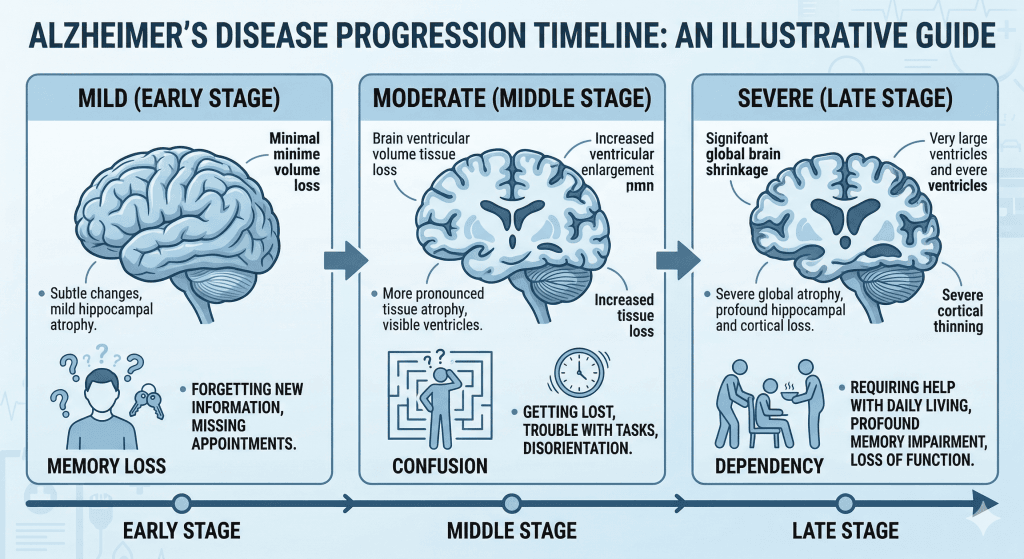
Stages of Alzheimer’s Disease
Early Stage (Mild Alzheimer’s)
In this stage, symptoms are mild and often ignored.
Common signs:
- Forgetting names or recent events
- Misplacing items
- Difficulty planning tasks
- Trouble finding words
People can still live independently but may need reminders.
This is the best time to identify life expectancy and stages of alzheimers and begin treatment early.

Middle Stage (Moderate Alzheimer’s)
This stage lasts the longest and needs more care.
Symptoms include:
- Increased memory loss
- Confusion about time and place
- Difficulty recognizing people
- Changes in behavior
- Need help with daily activities
At this stage, supervision becomes important. Families often seek guidance from the Best Neurologist in Chandanagar, Hyderabad to manage symptoms effectively.
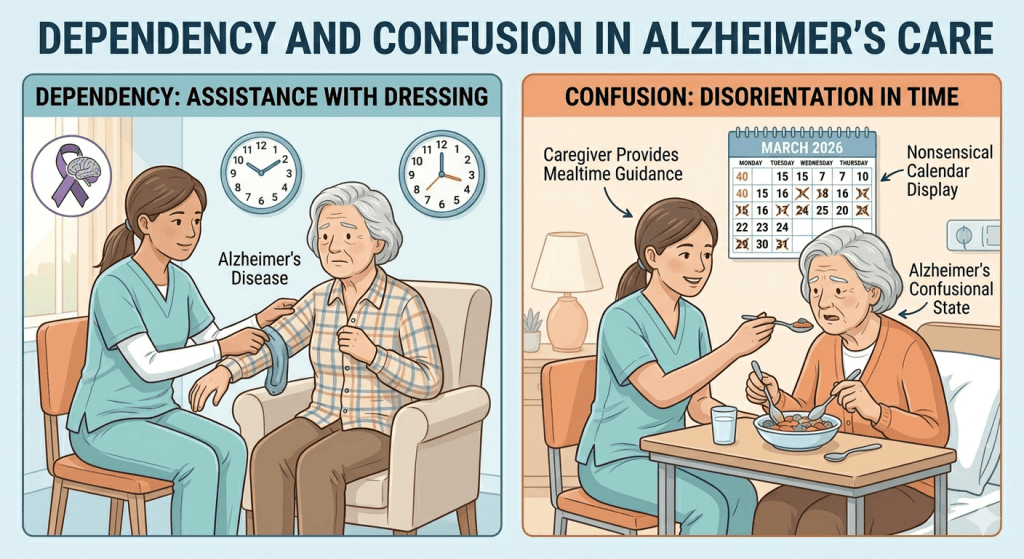
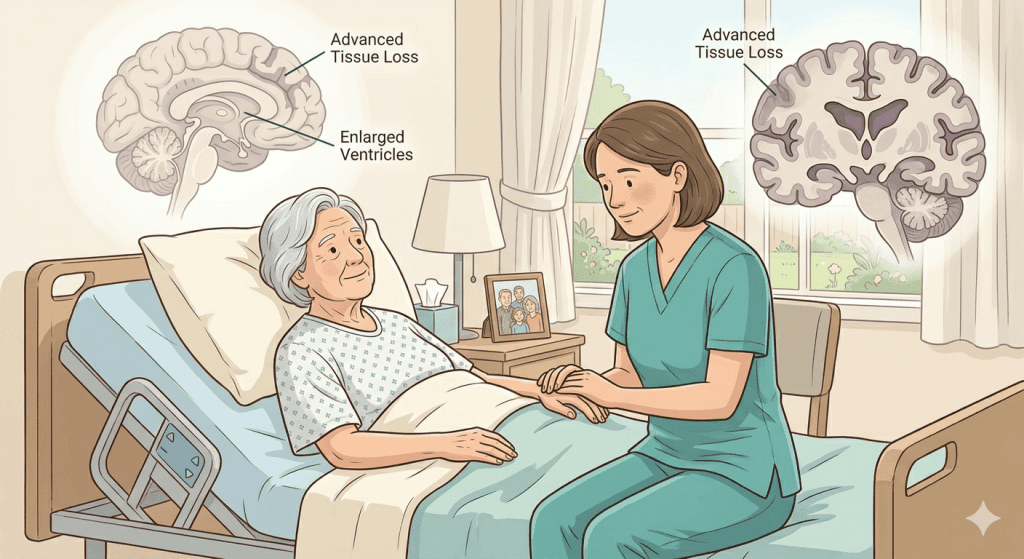
Late Stage (Severe Alzheimer’s)
In the final stage, patients need full-time care.
Symptoms include:
- Loss of communication
- Difficulty swallowing
- Severe memory loss
- Complete dependence
- Physical weakness
At this stage, care focuses on comfort and dignity.
Understanding the life expectancy and stages of alzheimers helps families prepare emotionally and medically.
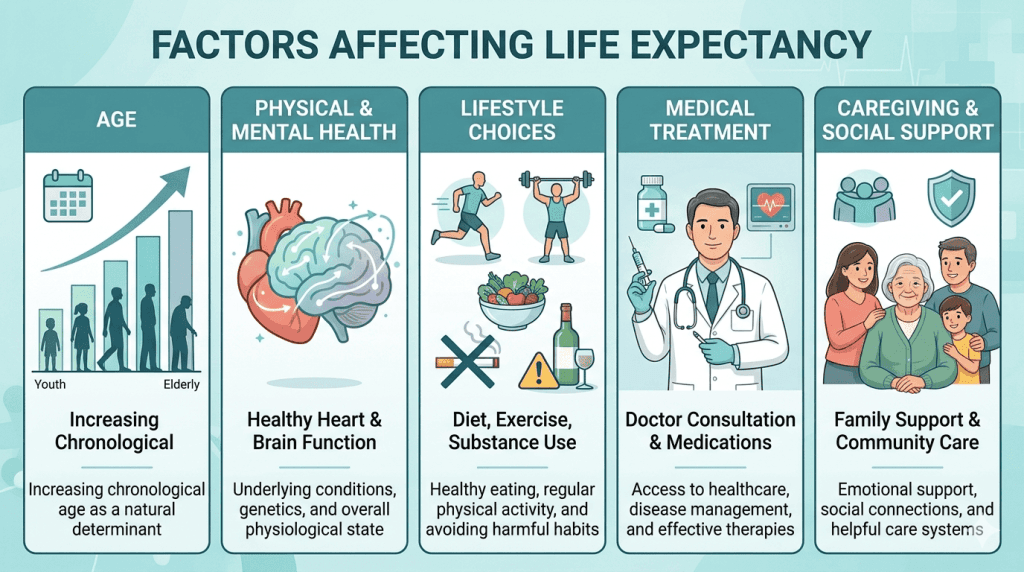
Factors That Affect Life Expectancy in Alzheimer’s
The life expectancy and stages of alzheimers vary from person to person.
Key factors:
- Age at diagnosis
- Overall health condition
- Presence of other diseases
- Early treatment and care
- Lifestyle and support system
Patients who receive early care and proper neurological guidance tend to live longer and better.
How to Improve Quality of Life
Even though Alzheimer’s has no complete cure, quality of life can improve with the right care.
Helpful steps:
- Maintain a daily routine
- Encourage simple activities
- Provide a safe environment
- Offer emotional support
- Ensure proper nutrition
Consulting the Best Neurologist in Chandanagar, Hyderabad can help families create a personalized care plan.
At Sai Deepa Neuro & Multispeciality Hospital, Dr. Deepa Reddy focuses on patient-centered neurological care, helping families manage Alzheimer’s with clarity and confidence.

When to Consult a Neurologist
You should consult a specialist if you notice:
- Frequent memory loss
- Confusion in daily tasks
- Behavioral changes
- Difficulty in communication
Early consultation improves management of life expectancy and stages of alzheimers.
Dr. Deepa Reddy at Sai Deepa Hospital is widely trusted as the Best Neurologist in Chandanagar, Hyderabad for accurate diagnosis and compassionate care.
Summary
Understanding the life expectancy and stages of alzheimers helps families prepare for the journey ahead.
The disease progresses from mild memory loss to full dependence, but early care can make a big difference.
With proper guidance, support, and consultation with the Best Neurologist in Chandanagar, Hyderabad, patients can live with better comfort, dignity, and care.