
Types of Symptoms of Neurological Disease: When You Should See a Neurologist
When your brain, spine, or nerves are not functioning properly, your body sends warning signals.
Understanding the types of symptoms of neurological disease can help you take action early and prevent serious complications.
Many people ignore these signs, thinking they are minor issues like stress or fatigue. But in reality, they may indicate deeper neurological problems that need expert care.
At the right time, consulting a neurologist can make a life-changing difference, especially when conditions like stroke, epilepsy, or nerve disorders are involved.
Understanding the Types of Symptoms of Neurological Disease
The nervous system controls everything, from movement and memory to breathing and balance.
When something goes wrong, symptoms can appear in different ways.
Recognising the types of symptoms of neurological disease helps in early diagnosis and better recovery.
1. Persistent Headaches and Migraines
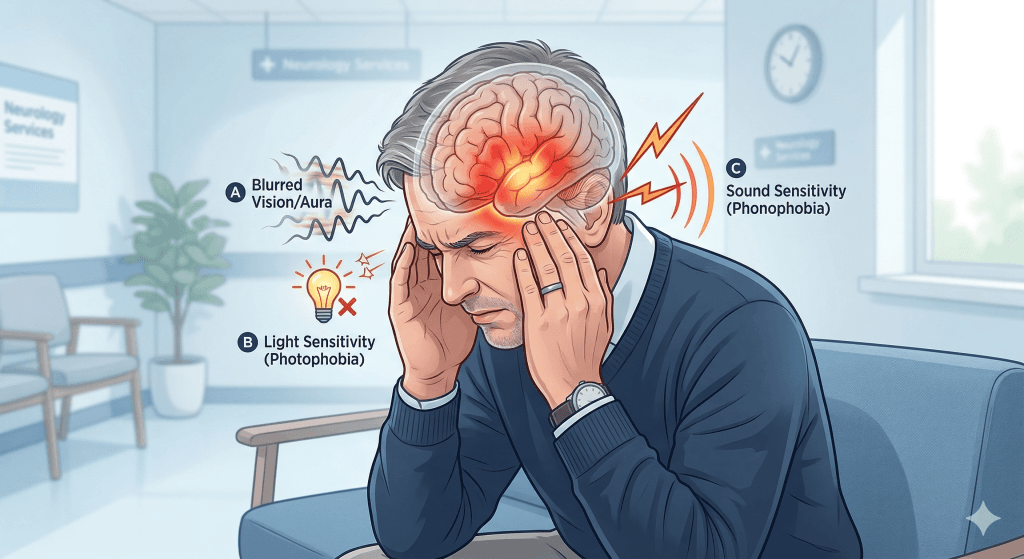
Headaches are common, but not all headaches are harmless.
Frequent or severe headaches can be a warning sign.
Symptoms to watch:
Headaches that occur daily or worsen over time
Sudden, severe “thunderclap” headache
Headache with vomiting or blurred vision
Sensitivity to light or sound
These are important types of symptoms of neurological disease, especially linked to migraines or brain-related issues.
2. Numbness, Tingling, or Weakness
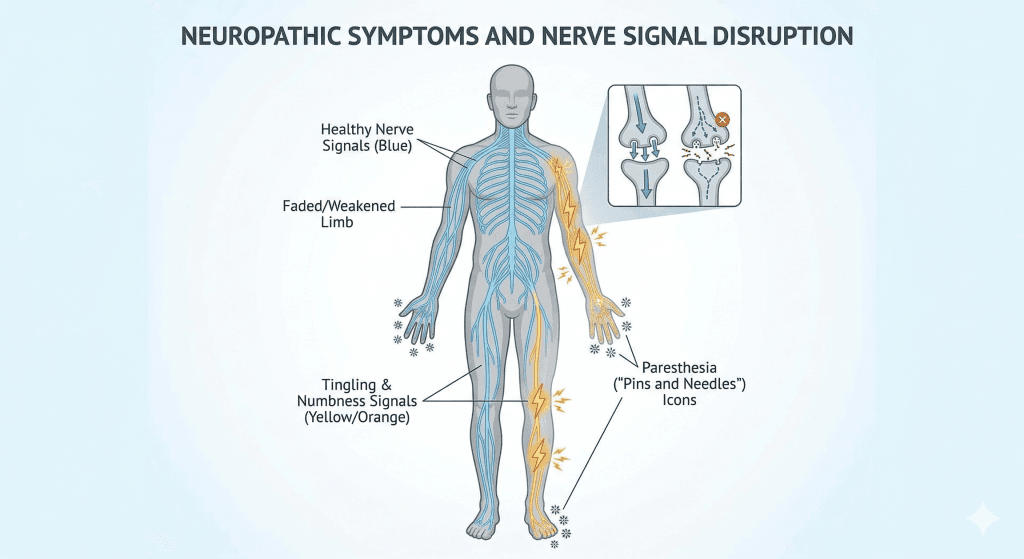
If you feel pins and needles, loss of sensation, or weakness in your limbs, it could indicate nerve damage or brain issues.
Common causes include:
Stroke
Peripheral neuropathy
Spinal cord problems
These signs fall under critical types of symptoms of neurological disease that should never be ignored.
3. Dizziness, Vertigo, and Balance Problems
Feeling like the room is spinning or having trouble walking straight may point to neurological conditions.
Watch for:
Frequent dizziness
Loss of balance
Difficulty walking
Sudden falls
These symptoms often relate to brain or inner ear disorders.
4. Memory Problems and Confusion
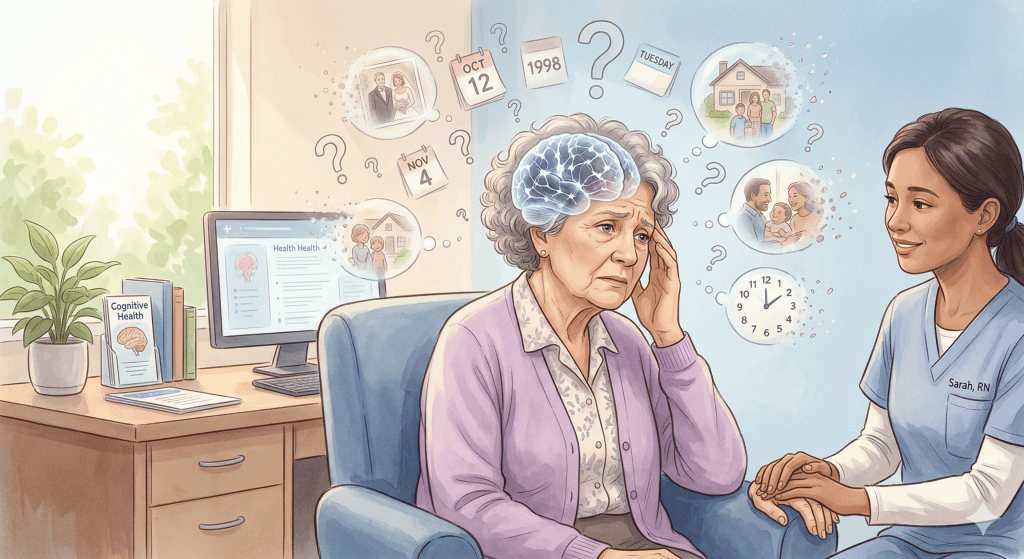
Occasional forgetfulness is normal, but persistent memory issues are not.
Warning signs include:
Forgetting recent events frequently
Difficulty concentrating
Confusion about time or place
Trouble understanding simple instructions
These are serious types of symptoms of neurological disorders, often linked to dementia or other brain disorders.
5. Seizures or Sudden Blackouts
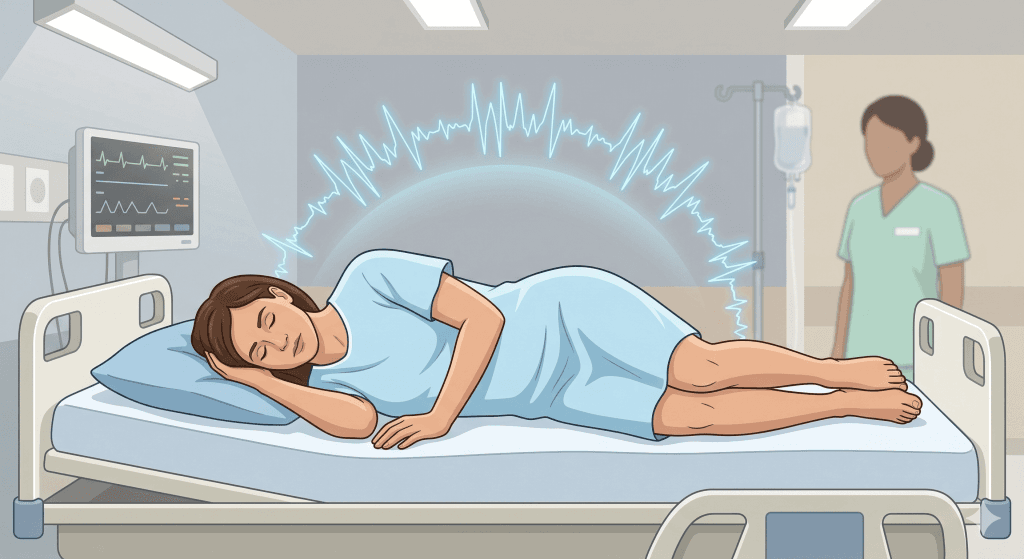
Seizures are one of the most urgent neurological symptoms.
Symptoms may include:
Sudden shaking or jerking movements
Loss of consciousness
Blank staring spells
Sudden confusion
These clearly indicate serious types of symptoms of neurological disorders and require immediate medical attention.
6. Vision Problems
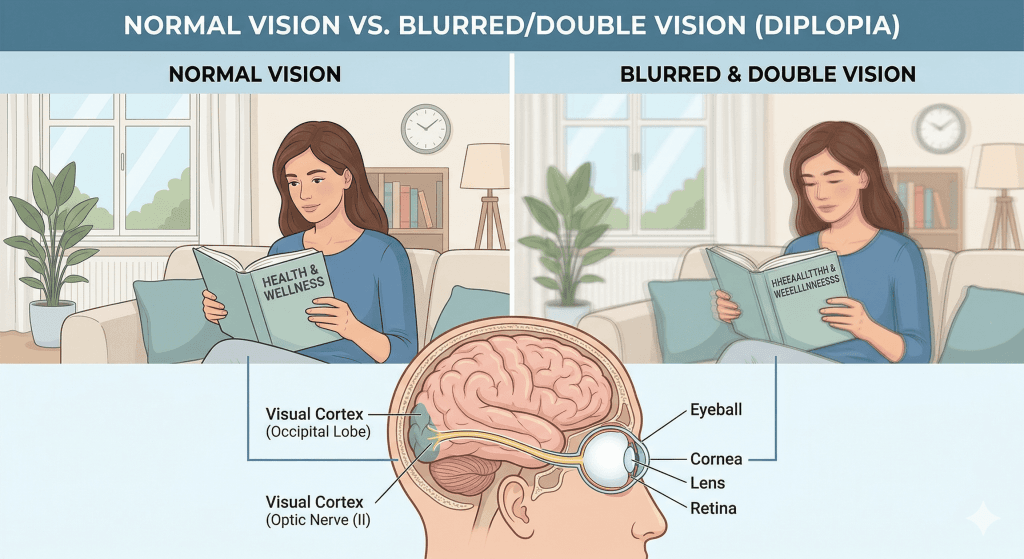
Vision issues are not always related to the eyes, they can originate in the brain.
Symptoms include:
Blurred vision
Double vision
Sudden loss of vision
Difficulty focusing
These symptoms are part of the types of symptoms of neurological disease and may indicate stroke or nerve damage.
7. Difficulty Speaking or Understanding
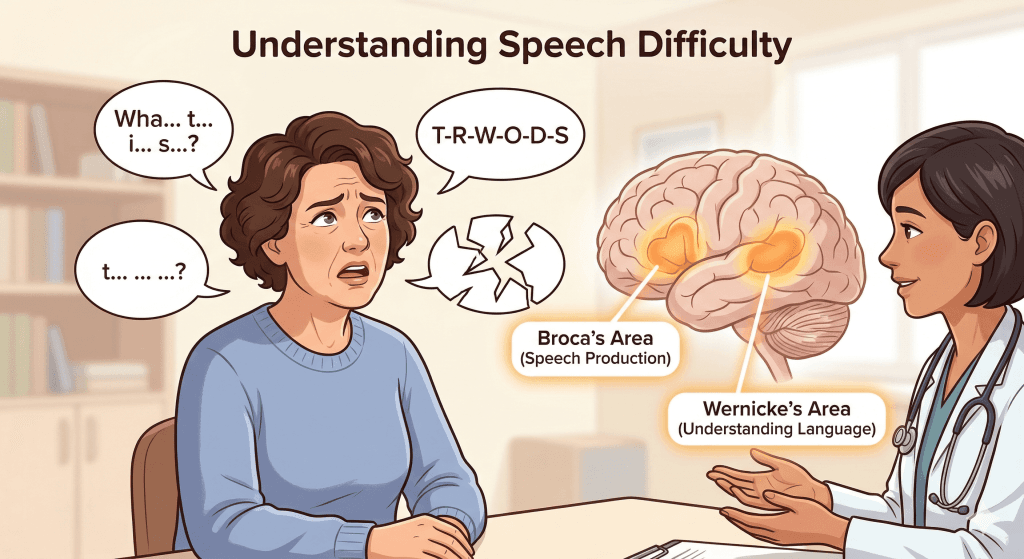
Problems with speech are strong indicators of neurological issues.
Watch for:
Slurred speech
Trouble finding words
Difficulty understanding others
Sudden inability to speak
This is one of the most critical types of symptoms of neurological disease, especially during a stroke.
8. Muscle Stiffness, Tremors, or Movement Problems
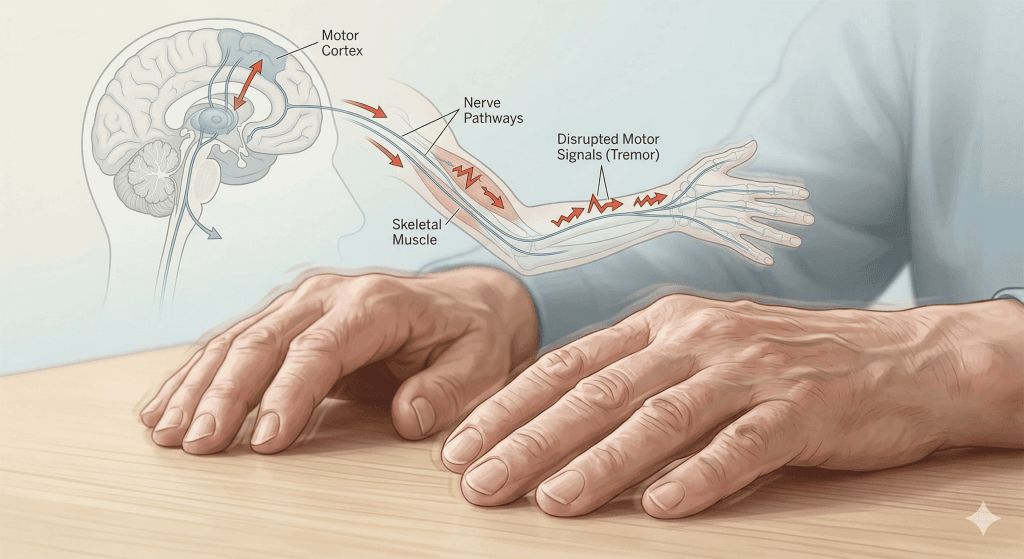
Changes in movement can signal neurological disorders.
Symptoms include:
Tremors in hands or legs
Muscle stiffness
Slow movements
Difficulty coordinating actions
These symptoms are commonly seen in conditions like Parkinson’s disease.
9. Chronic Pain Linked to Nerves
Pain caused by nerve damage feels different from normal pain.
Characteristics:
Burning sensation
Sharp, shooting pain
Pain without injury
Increased sensitivity
These are important types of symptoms of neurological disorder that need expert evaluation.
10. Sudden Paralysis or Loss of Movement
Paralysis is a medical emergency.
Signs include:
Weakness on one side of the body
Drooping face
Inability to move limbs
Difficulty speaking
Immediate medical care can save life and brain function.
When Should You See a Neurologist?
If you experience any of the above types of symptoms of neurological disease, do not delay medical consultation.
At Sai Deepa Neuro & Multispeciality Hospital, patients receive expert neurological care from Dr. Deepa Reddy, a highly experienced neurologist known for accurate diagnosis and compassionate treatment.
Many patients searching for the Best Neurologist in Chandanagar, Hyderabad trust her expertise for conditions like stroke, migraines, epilepsy, and nerve disorders.
Early diagnosis leads to better outcomes, reduced complications, and faster recovery.
Why Early Diagnosis Matters
Ignoring neurological symptoms can lead to:
Permanent nerve damage
Increased risk of stroke
Memory loss progression
Reduced quality of life
Recognizing the types of symptoms of neurological disease early helps prevent long-term complications.
Summary
Your body often gives early warning signs when something is wrong with your nervous system.
Understanding the types of symptoms of neurological disease, such as headaches, numbness, dizziness, memory issues, seizures, and paralysis, can help you act quickly.
Early consultation with a specialist, like the Best Neurologist in Chandanagar, Hyderabad, ensures accurate diagnosis and effective treatment.
Timely care not only protects your brain health but also improves your overall quality of life.